When you’re gifting a hamper—whether it’s a cozy winter treat box, a spa‑day bundle, or a gourmet snack stash—you want the recipient to unwrap a pristine treasure, not a crumpled, soggy mess. The question on every thoughtful giver’s mind is: what are the best packaging options to keep a hamper intact?

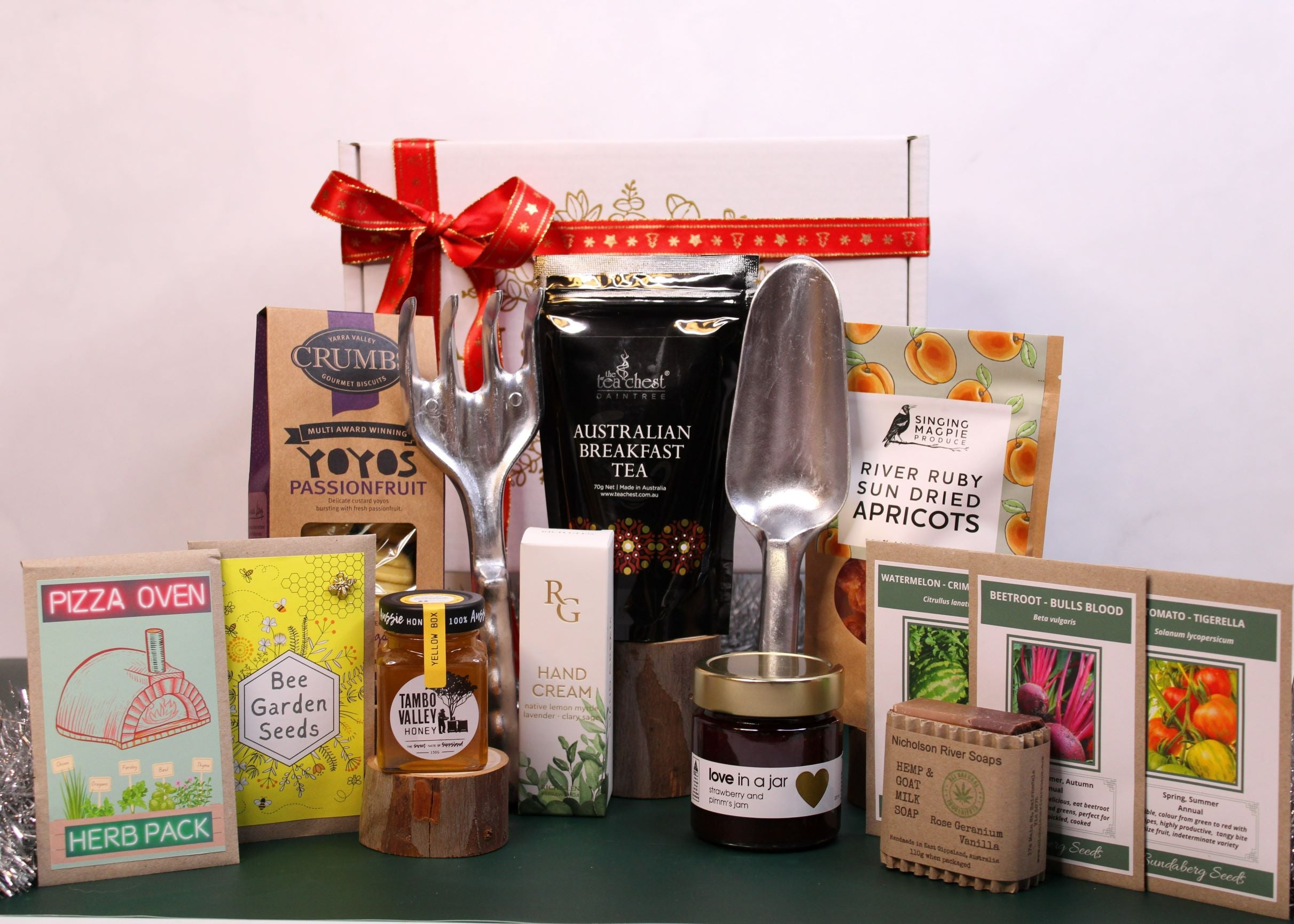
Understanding the Hamper Challenge
The Anatomy of a Hamper
A hamper isn’t a simple box; it’s a complex assembly of fragile items—candles, chocolates, wine, and sometimes even a little plant. Each component reacts differently to pressure, temperature, and humidity. Think of the hamper as a tiny ecosystem where each species (or item) needs its own habitat.
- Candles: Sensitive to heat; can melt or warp if compressed. Wine: Requires gentle handling; corks can dry out. Chocolate: Prone to melting and blooming. Fresh produce: Needs ventilation to avoid mold.
Common Pitfalls
- Over‑packing: Stacking items too tightly forces them into each other, causing bruises or cracks. Insufficient cushioning: Without proper padding, the hamper’s structure can collapse. Poor sealing: A flimsy zip or tape can let moisture seep in, turning a crisp chocolate into a soggy disappointment. Ignoring environmental factors: Transporting a hamper through a hot truck or a cold garage can wreak havoc on temperature‑sensitive goods.
Key Principles for Protective Packaging
Cushioning Basics
Cushioning isn’t just about softness; it’s about distributing force evenly. Imagine a hamster rolling around in a ball—if the ball’s surface is uneven, the hamster gets squished. The same principle applies to hampers. Use materials that absorb shocks and prevent direct contact between the hamper’s walls and the shipping container.
- Foam inserts: Custom‑cut foam keeps items from sliding. Bubble wrap: Offers a gentle, yet robust, barrier. Soft towels: Ideal for wrapping fragile items like glass wine bottles.
Sealing Strategies
A well‑sealed hamper is a happy hamper. The seal keeps out moisture, dust, and stray objects. Think of the seal as the hamper’s “skin” that must stay intact.
- Quality tape: Use packaging tape that adheres strongly and resists peeling. Zippered bags: For items that need extra protection, like a small bouquet. Heat sealing: For a professional finish, especially with custom boxes.
Top Packaging Options
Bubble Wrap & Foam Inserts
Bubble wrap is the classic hero of packaging. Each bubble acts like a miniature spring, absorbing shocks. Foam inserts, when cut to fit, create a cradle for the hamper. Combine the two: wrap the hamper in bubble wrap, then slide it into a foam‑lined box.
- Pros: Affordable, widely available, excellent shock absorption. Cons: Adds bulk; not eco‑friendly if overused.
Cardboard Crates & Custom Boxes
A sturdy cardboard crate offers a rigid shell that protects against crushing. Custom boxes—designed to fit the hamper’s dimensions—eliminate wasted space and reduce the need for excess padding.
- Pros: Lightweight, recyclable, customizable. Cons: Requires precise measurements; may not hold up in extreme weather unless reinforced.
Fabric & Towel Wraps
Soft, breathable fabrics—like muslin or terry cloth—are perfect for wrapping delicate items that could be damaged by bubble wrap. A towel wrap can also double as a decorative layer, giving the hamper a finished look.
- Pros: Adds a luxurious touch; can be reused. Cons: Less protective against impact; may need additional cushioning.
Eco‑Friendly Alternatives
If sustainability is a priority, consider biodegradable packing peanuts, recycled paper crumple, or plant‑based foam. These materials still provide cushioning but with a lower environmental footprint.
- Pros: Green, often biodegradable. Cons: May be pricier; performance can vary.
Practical Tips for DIY Packing
- Measure first: Accurate dimensions prevent over‑packing. Layer wisely: Place the heaviest items at the bottom; lighter items go on top. Seal the seams: Double‑tape corners for extra strength. Ventilate: For hampers with fresh produce, add a small perforated bag to allow air flow. Label the package: “Fragile” and “This Side Up” guide the carrier.
A Real‑World Anecdote
Last winter, I packed a gourmet hamper for my sister’s wedding anniversary. I wrapped the candles in a soft towel, cushioned the wine with foam, and sealed the box with heavy‑weight tape. On delivery, the courier asked if I’d “tried to make a paper airplane out of it.” When I opened the package, the contents were as pristine as a freshly minted coin. The key? I remembered a quote that always keeps me sane: “The best way to predict the future is to create it.” – Peter Drucker. By planning each layer, I created a future where the hamper arrived intact.
The Perfect Gift Awaits
Choosing the right packaging is more than a logistical task—it’s an expression of care. When you use the best packaging options to keep a hamper intact, you’re not just protecting items; you’re preserving the joy of the gift. Whether you opt for bubble wrap, custom cardboard, or eco‑friendly solutions, remember that hampers for her the goal is a seamless unwrapping experience. So next time you’re preparing a hamper, think of it as a delicate bird that deserves a safe, comfortable nest for its journey. Wrap it well, seal it tight, and watch the smiles unfold.